React Native Mobile App Development
React Native mobile app development for teams that need iOS and Android without funding two separate builds. We ship one TypeScript codebase to both stores, write native Swift or Kotlin modules where a feature needs them, and push fixes over the air instead of waiting on app review.
4 wks
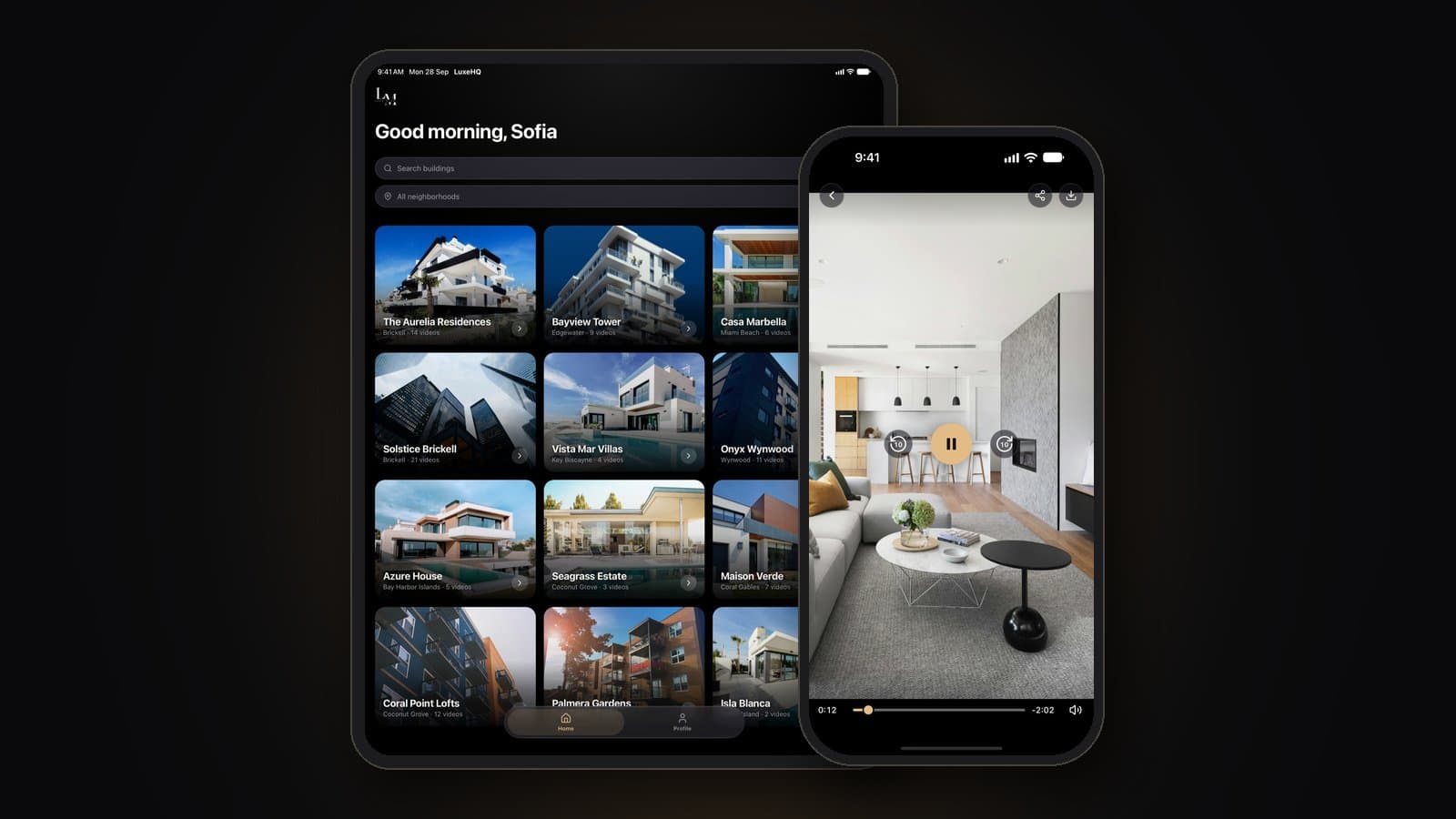
LuxeHQ, from kickoff to a React Native app on iPhone & iPad
98%
Client retention
24hr
Average response time
What sets working with us apart
You own the code
No proprietary lock-in — the repository, infrastructure, and IP are yours from day one.
No vendor lock-in
Standard, well-documented stacks, so your next team (or ours) can extend it without a rewrite.
One team, start to finish
The same engineers scope, build, and support your project — no hand-offs between sales and delivery.
Direct access to engineers
You talk to the people writing the code, not an account manager relaying messages.
Fixed-scope, transparent pricing
Clear estimates before work starts, and no surprise change orders for work that was always in scope.
Support after launch
Launch day isn't the finish line — we stay on for monitoring, fixes, and iteration.
What you get from a cross-platform app development company
One codebase for iOS and Android
Multi-platform mobile app development from a single React Native and TypeScript codebase, so every feature and bug fix ships to both platforms at once instead of drifting apart release by release.
Native modules where they matter
When a feature needs platform code (Live Activities, widgets, background tasks, custom camera or Bluetooth work), we write that module natively in Swift or Kotlin and keep the rest shared.
iPhone, iPad, and tablet layouts
Layouts designed for each screen size from the same components, rather than a phone app stretched onto a tablet.
Over-the-air updates and store releases
Expo-based builds with over-the-air updates for JavaScript fixes, plus App Store and Play Store submission, review, and release management handled end to end.
When a multi-platform app development company is the right call
You need iOS and Android on one budget
Two native teams roughly double the build and keep doubling every feature after launch. One React Native team ships both, which is why most business, booking, content, and marketplace apps are built this way.
Your web team already works in React
React Native shares the component model and TypeScript skills your web engineers already have, so the mobile app isn't a separate world only one contractor understands.
You want to fix bugs without waiting on app review
Over-the-air updates ship JavaScript fixes to users in minutes. Changes to native code still go through the stores, so we keep that layer small and stable.
A cross-platform app stalled with another team
We take over React Native codebases regularly, starting with an audit that tells you what's worth keeping before we quote anything.
How we run this engagement
Scope & platform check
Confirm React Native fits, and flag any feature that needs native code up front.
Design
One design system with platform-aware details for iOS and Android.
Build
Sprints with TestFlight and Play internal-track builds you can install every week.
Launch & support
Store submission, crash monitoring, OS-update fixes, and over-the-air updates.
Built on a proven, modern stack
React Native
Native UI on iOS and Android from one codebase, not a web view in an app shell.
Expo
Faster builds, managed native configuration, and over-the-air updates.
TypeScript
Type safety across the app, so whole classes of bugs never reach a device.
Swift
Native iOS modules for features React Native doesn't cover, like Live Activities.
Kotlin
Native Android modules for platform-specific features and performance work.
Firebase
Push notifications, auth, and crash reporting without building that infrastructure yourself.
Related insights
Things people ask before starting
Can't find what you're looking for? Reach out and we'll answer directly.
For most apps, yes. React Native renders real native UI components, not a web page, and handles business tools, booking, marketplaces, content, and offline-heavy apps well. The honest exceptions are AR, heavy real-time 3D or games, and apps that need a brand-new OS feature on launch day; for those we'd recommend fully native.